

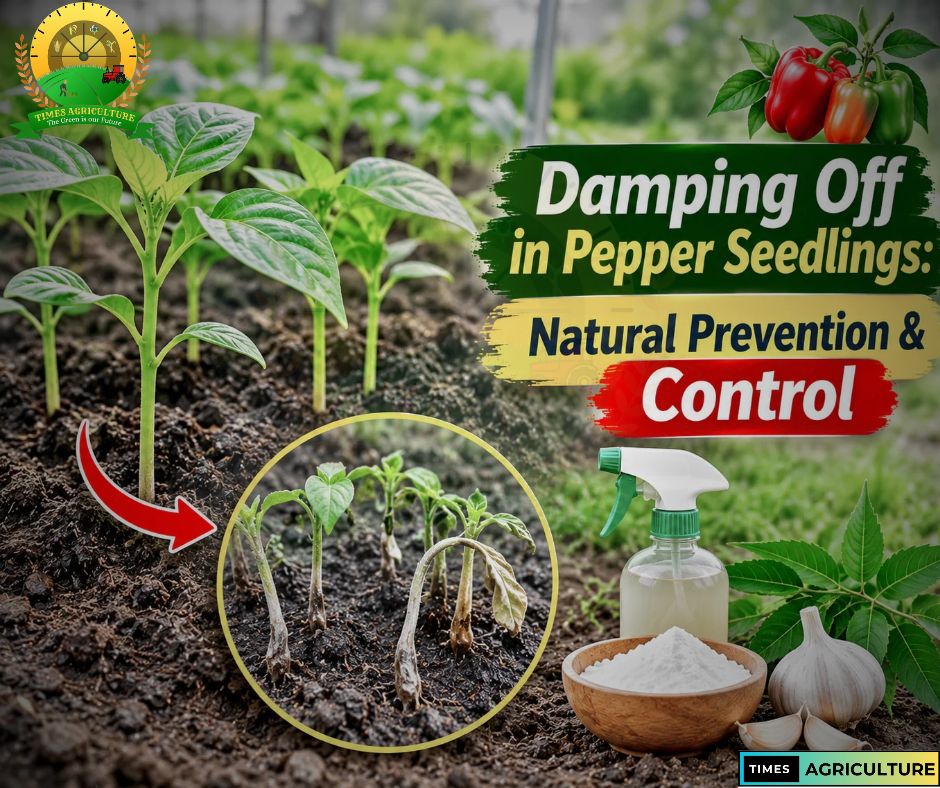
There’s a special kind of heartbreak reserved for gardeners. It’s that moment you peek at your seedling trays, eager to see the first true leaves on your peppers, only to find them collapsed. Their stems, once sturdy, are now thin as thread, withered and lying pathetically on the soil. If you have experienced this, you have met the dreaded damping off.
It feels like a personal failure, but I am here to tell you it’s not. It’s a common battle, and the secret to winning it isn’t found in a bottle of harsh chemicals. The true victory lies in working with nature, not against it. This guide will walk you through a proven, completely natural system to prevent damping off, focusing on building resilience from the soil up.
What is Damping Off? And the Fungi That Cause It
At its core, damping off is a disease caused by several common soil-borne fungi, including Pythium, Rhizoctonia, and Fusarium. They are opportunists, lurking in most soils, waiting for the right conditions to strike a vulnerable seedling.
You’ll see it in two stages:
- Pre-emergent: Your seeds simply rot away before they even break the surface.
- Post-emergent: The classic “wire-stem” effect, where seedlings emerge looking healthy, only to collapse and die at the soil line.
The key organic principle to remember is this: these pathogens primarily attack weak seedlings in poor conditions. Our entire strategy is to create strong seedlings in a healthy environment.
The Organic Grower’s Prevention Plan: Your First and Best Defence
In organic gardening, prevention isn’t just the best medicine—it’s the only medicine that aligns with our philosophy. Cure is often impossible once symptoms show, so our focus is on creating an environment where damping off can’t get a foothold.
Start Clean, Stay Clean
Pathogens can hitch a ride on old trays and tools. Before sowing, I wash all my seed trays and pots with a 10% bleach solution or a strong vinegar spray. Even more critical is using a fresh, high-quality, well-draining organic seed-starting mix. Avoid using garden soil in your starter pots at all costs—it’s often teeming with the very fungi we’re trying to avoid.
Water Wisely
This is, without a doubt, the most important cultural practice. Overwatering creates the soggy, oxygen-poor conditions that damping-off fungi love. I’ve completely switched to bottom-watering. By letting the seedlings soak up water from a tray below, you keep the precious stem base and soil surface dry. Always let the top of the soil dry slightly between waterings.
Create the Right Environment
Weak, slow-growing seedlings are easy targets. I use two simple tools to turbocharge their growth:
A Heat Mat: Consistent bottom heat encourages rapid germination and strong, fast growth. A vigorous seedling can outgrow the threat of disease.
A Small Fan: Gentle air circulation does two things: it strengthens seedling stems (like exercise) and dramatically reduces surface humidity, creating an environment that’s downright hostile to fungal growth.
Beyond Prevention: Deploying Nature’s Army for Control
Even with perfect practices, sometimes you need an extra layer of protection, especially if you’ve battled damping off before. This is where we can harness some of nature’s own brilliant solutions.
The Simple Kitchen Remedies (A Note on Cinnamon & Chamomile)
A light dusting of cinnamon or a spray of cooled chamomile tea are popular folk remedies in the gardening world. They do have mild antiseptic properties and can help suppress surface mould. I’ve used them myself! However, it’s important to know their limitation: they aren’t consistently effective against the more aggressive, soil-borne pathogens like Pythium that cause the most devastating damping off.
Meet Your Seedling’s Best Friend: Beneficial Fungi Trichoderma
Now, let’s talk about a real game-changer. Imagine a protective army that colonises your plant’s roots, creating a living shield. That’s Trichoderma harzianum. It’s a beneficial fungus that is our active ally, fighting off the bad guys in three powerful ways:
- Direct Attack: It literally parasitises and consumes damping-off fungi.
- Competition: It out-competes pathogens for space and food, starving them out.
- Boosting Immunity: It enhances the plant’s own defence mechanisms, making it more resilient.
A Powerful Tool I’ve Relied On: HarzShield
In my own gardening journey, I’ve experimented with several trichoderma products, and one that has consistently stood out is HarzShield from Nonobac. What makes it particularly effective is that it’s formulated with a specific, powerful Trichoderma strain, TH13.
This strain TH13 is not only excellent at suppressing damping-off pathogens but is also renowned for its ability to promote stronger, more extensive root systems. For a pepper seedling, a robust root system is the foundation for a healthy, productive life. Using a product like this feels less like applying a fungicide and more like inoculating your soil with life. You’re giving your seeds a head start by ensuring their first contact with the world is with a friend, not a foe.
When considering Trichoderma harzianum, I find that a product like HarzShield offers great value for the protection and vigorous growth it provides. It has firmly earned a place in my toolkit as one of the most reliable Trichoderma products on the market.
Other Powerful Biological Allies
Another effective option is products containing the bacterium Bacillus subtilis, which works in a similar protective manner. Whether you choose HarzShield or another quality biofungicide, opting for a Trichoderma-based solution is the best fungicide for damping off in organic farming because it is a proactive, life-based strategy.
My Step-by-Step Routine for Healthy Pepper Seedlings
Let’s condense everything into a simple, actionable routine you can follow this season:
- Mix & Inoculate: Fill your sterile trays with a moist, organic seed-starting mix. Before sowing, dust the entire mix with a Trichoderma powder like HarzShield, following the package directions.
- Sow & Warm: Plant your pepper seeds at the recommended depth and place the tray on a heat mat. Keep it covered with a dome until you see germination.
- Air & Light: The moment you see sprouts, remove the dome and get those seedlings under strong, direct light. Run a small oscillating fan for a few hours a day to strengthen stems and dry the soil surface.
- Water: Water from below only when the top of the soil feels dry to the touch.
Grow Peppers the Natural Way
Overcoming damping off is about more than just saving your peppers. It’s about embracing a philosophy: we cultivate life, not just plants. By creating an environment where beneficial microbes thrive and pathogens are suppressed, we build a foundation for a healthier, more resilient garden ecosystem.
By inoculating your soil with allies like Trichoderma, you’re not just preventing disease—you’re actively building a stronger plant from the roots up. So don’t be discouraged. Arm yourself with these natural methods, and grow with confidence.
Times Agriculture: The Green is Our Future